 Free shipping over €125
 Discreetly packaged
 Track & Trace
 Secure Payment
 8.6/10 customer rating.


 Marijuana seeds






 Head shop
 Supplements
 CBD Shop
 Smartshop
 Mushroom Shop
 Smartwiki
 Newsletter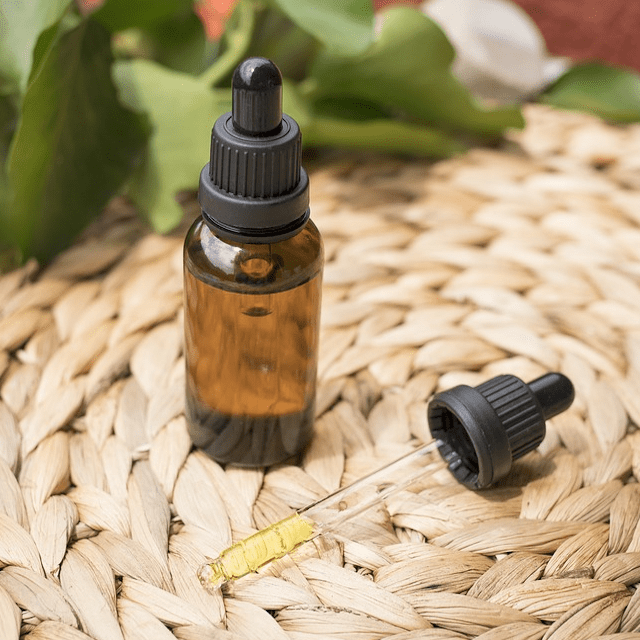
September
What is the difference between a tincture and an extract?
Have you ever been confused about the differences between tinctures and extracts? Don't worry, you're not alone! These two terms are often used interchangeably, but they actually have different meanings and applications.
A tincture is a concentrated liquid obtained by steeping specific plant parts, such as leaves, roots, or flowers, in alcohol or another solvent. The process of making a tincture involves maceration, where the plant materials are soaked in the liquid until the active constituents are fully dissolved. This results in a potent solution that is easy to dose and has a long shelf life.
Examples are God, Guayusa en Blue Lotus.
Table of Contents
How is a tincture used?
Tinctures can be taken using various methods, such as adding them to drinks, sublingual use (under the tongue), or taking them directly. Because tinctures are concentrated, it is important to follow the recommended dosage, and it is always advisable to seek expert advice before using a tincture. [1]
Tinctures generally have a long shelf life and are very effective at retaining the potent properties of the original plant. They are often used in naturopathy and can be employed for a variety of purposes, such as relieving stress, improving sleep, and supporting the immune system. [2]
What is an extract?
An extract is similar to a tincture, but the difference lies in the soluble substance used. While tinctures typically use alcohol as a solvent, extracts can use water, alcohol, glycerin, or vinegar. This allows people who are sensitive to alcohol to still benefit from plant extracts without worrying about alcohol intake.
An extract is actually very similar to a tincture, with one key difference: while tinctures are made using only alcohol as a solvent, extracts can also be made using other solvents, such as water or glycerin. The main advantage of extracts is that they are suitable for people who are sensitive to alcohol, as they can be produced without alcohol as a solvent.
How is an extract used?
Just like tinctures, extracts can be used in various ways depending on the type of solvent used. Water-soluble extracts can be added to drinks or food, while alcohol-soluble extracts are used similarly to tinctures. The choice of solvent can also impact the flavor and concentration of the extract. [3]
tinctures or extracts?
The difference between tinctures and extracts comes down to the way they are produced and the properties each type of extract has. Tinctures are the powerhouses in concentrated liquid form, and extracts are more versatile thanks to the different solvents that can be used.
Are tinctures safe to use?
Yes, tinctures are generally safe to use, but it is always recommended to follow the dosage instructions and seek advice from a healthcare professional.
Just like with tinctures, users of extracts should be careful with dosages and discuss any side effects with a professional.
Sources
[1] https://www.quora.com/What-is-the-difference-between-using-a-tincture-versus-using-an-extract
[2] https://en.wikipedia.org/wiki/Tincture
[3] https://www.healthline.com/health/what-is-a-tincture