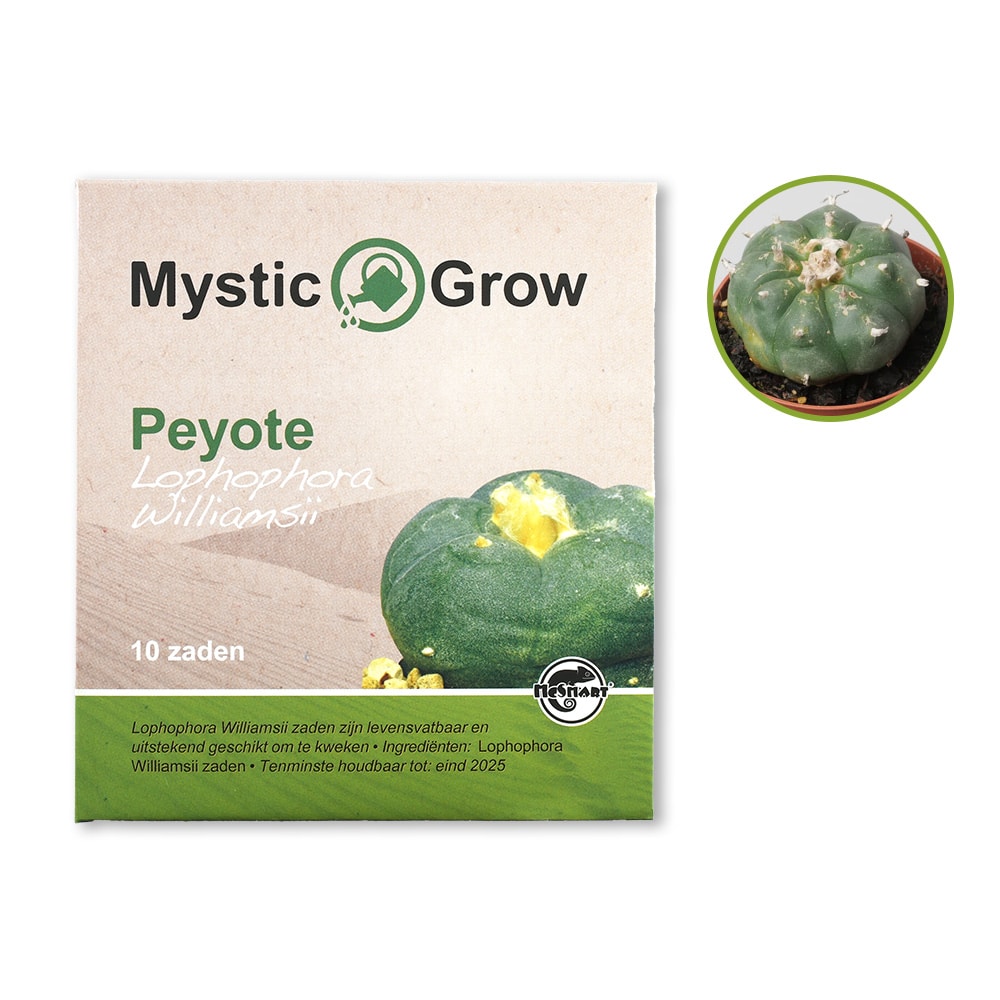
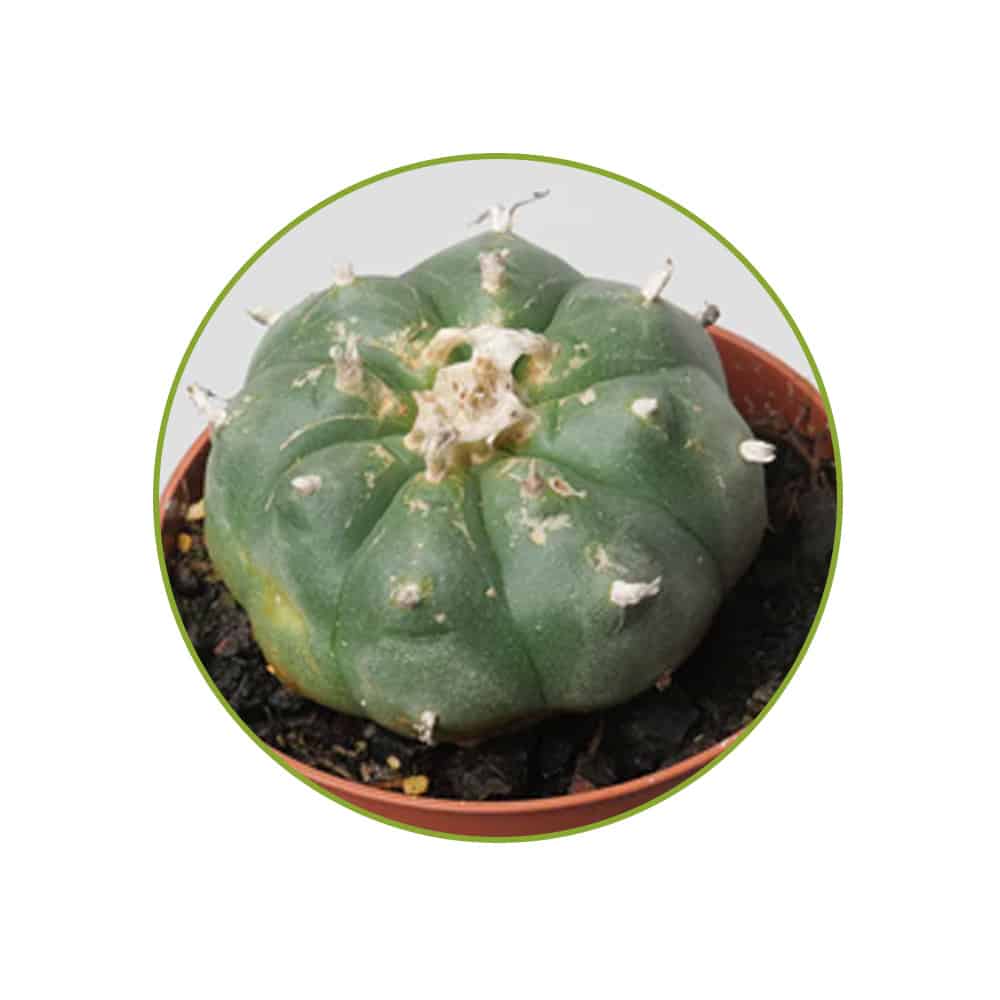
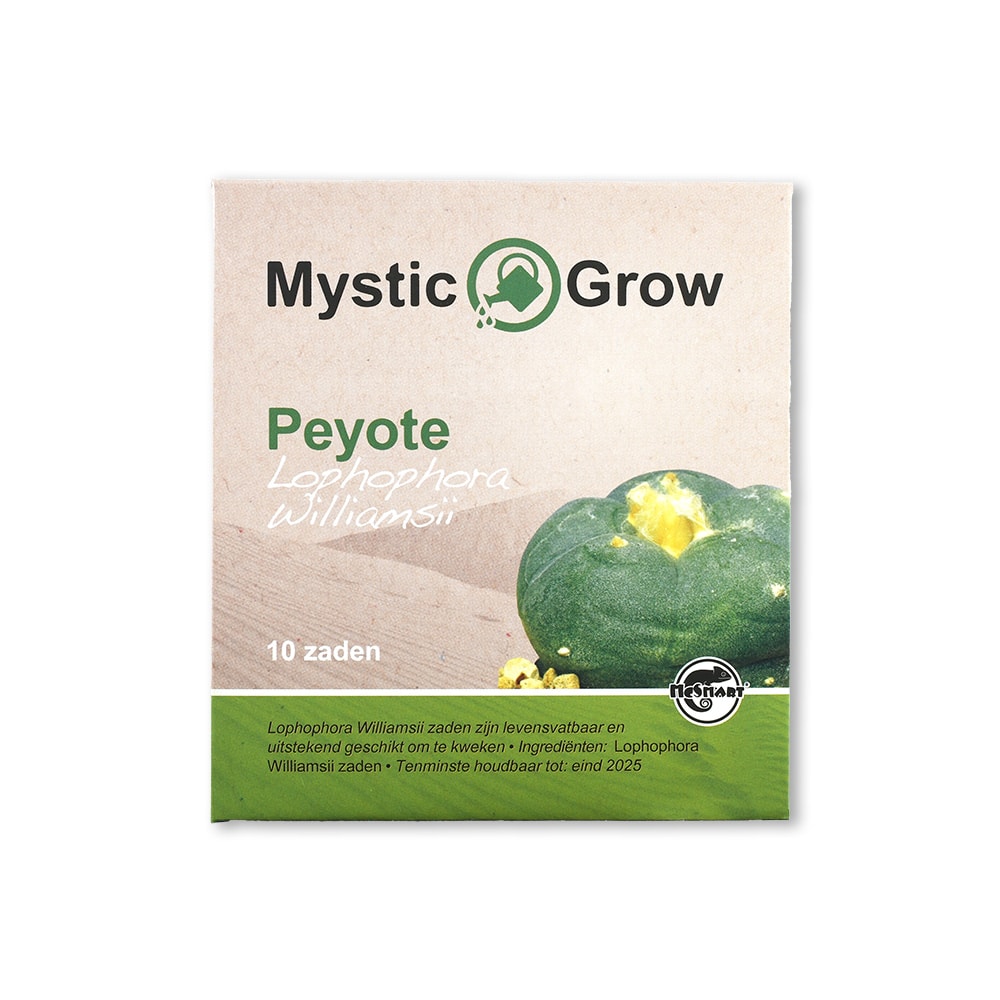
What is Lophophora Williamsii – Peyote Cactus?
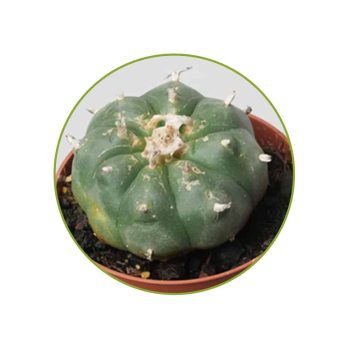
Lophophora williamsii, commonly known as Peyote, is a small, spineless cactus native to the deserts of Mexico and the southwestern United States. This cactus is renowned for its psychoactive properties, primarily due to the presence of mescaline, a naturally occurring compound that induces hallucinations and altered states of consciousness.
Peyote has played a central role for centuries in the spiritual and healing ceremonies of Native American cultures, where it is used for deep introspection, visionary experiences, and emotional healing. Traditionally, it is consumed by chewing it raw, drying and grinding it into powder, or brewing it as a tea.

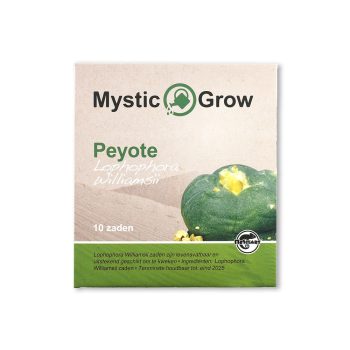
Despite its modest size, Peyote has a powerful and long-lasting impact on the mind and body, with experiences often described as intensely colorful, profound, and spiritually enlightening. Nowadays, it can even be grown at home from seeds, allowing enthusiasts to cultivate this sacred plant for personal exploration and ceremonial use.

History of Lophophora Williamsii – The Peyote Cactus
The history of peyote spans thousands of years, with its use deeply rooted in the traditions of indigenous tribes in Mexico and the southwestern United States.
Spanish explorers first encountered Peyote during their 16th-century expeditions into the New World. Shocked by its hallucinogenic effects, they often viewed its ceremonial use as pagan or satanic. As time progressed, scientists, botanists, and healers began to investigate the cactus's medicinal and spiritual potency.
The Aztecs were among the earliest documented users of peyote, incorporating it into their religious ceremonies to foster a connection with the divine and gain profound insights into existence. Despite colonial oppression, peyote use persisted, particularly among Native American tribes, and today it continues to be an integral part of modern Native American Church ceremonies.
How do you use Lophophora Williamsii – Peyote Cactus?
Peyote can be consumed in various ways, each with a unique experience:
Raw consumption
The most traditional method is to cut slices from the fresh cactus and chew them. The taste, however, is intensely bitter and often leads to nausea or vomiting before the psychoactive effects begin.
Dried Peyote
The cactus can be dried and ground into powder, which can then be mixed into food or drinks.
Peyote Tea
Brewing dried Peyote as a tea is a common practice that reduces bitterness while still delivering potent psychedelic effects.
Users typically experience visions, deep introspection, and heightened sensory perception, which can last up to 12 hours. First-time users should start with a small amount to gauge their sensitivity, and it is essential to be in a safe, comfortable environment during the experience.
Due to the powerful effects of Peyote, it is never recommended to use it for activities such as driving or operating machinery. Individuals with a history of mental health conditions such as anxiety or depression should also be cautious or avoid Peyote altogether.
Ingredients of Lophophora Williamsii – Peyote Cactus
The main active substance in Peyote is mescaline, a naturally occurring psychedelic alkaloid that significantly alters perception, mood, and consciousness.
Important compounds in Peyote:
-
Mescaline – Affects serotonin receptors in the brain, leading to hallucinogenic and emotional effects.
-
Other alkaloids – Peyote contains additional alkaloids that contribute to its distinctive effects and medicinal properties.
In addition to its psychoactive nature, peyote has been studied for potential medicinal benefits, such as:
-
Pain relief
-
Emotional healing and self-discovery
-
Potential addiction treatment assistance
Although it is legally restricted in many countries, Peyote continues to hold deep cultural and spiritual significance for indigenous communities, particularly within the Native American Church.
Warning
Peyote is a potent hallucinogen that can cause intense psychological effects, including vivid visions and an altered perception of reality.
Possible side effects:
-
Nausea and vomiting (often at the beginning)
-
Emotional intensity (which can be overwhelming for some)
-
Disorientation and dizziness
Users should only consume Peyote in a safe, controlled environment and avoid strenuous activities, driving, or operating machinery.
Who should avoid Peyote?
-
Individuals with a history of mental health conditions such as depression, anxiety, or psychosis
-
Pregnant or breastfeeding individuals
-
Everyone who takes medication that affects serotonin levels
Approach peyote with respect and preparation, as the effects can be long-lasting and deeply transformative.