



March
Kanna: Origin, Mechanism of Action, and Uses of Sceletium tortuosum
Updated on October 29, 2026 · Reading time: 6 minutes
Short answer: Kanna is the South African succulent Sceletium tortuosum. It has been used for centuries to support mood and relaxation. Its main active ingredient is mesembrine. Kanna is available as a powder or extract.
The San and the Khoikhoi in South Africa were chewing kanna long before Europeans reached the area. They would first allow the plant to ferment. Today, kanna is a well-known legal herb sold in smart shops.
Table of Contents
Where does kanna come from?
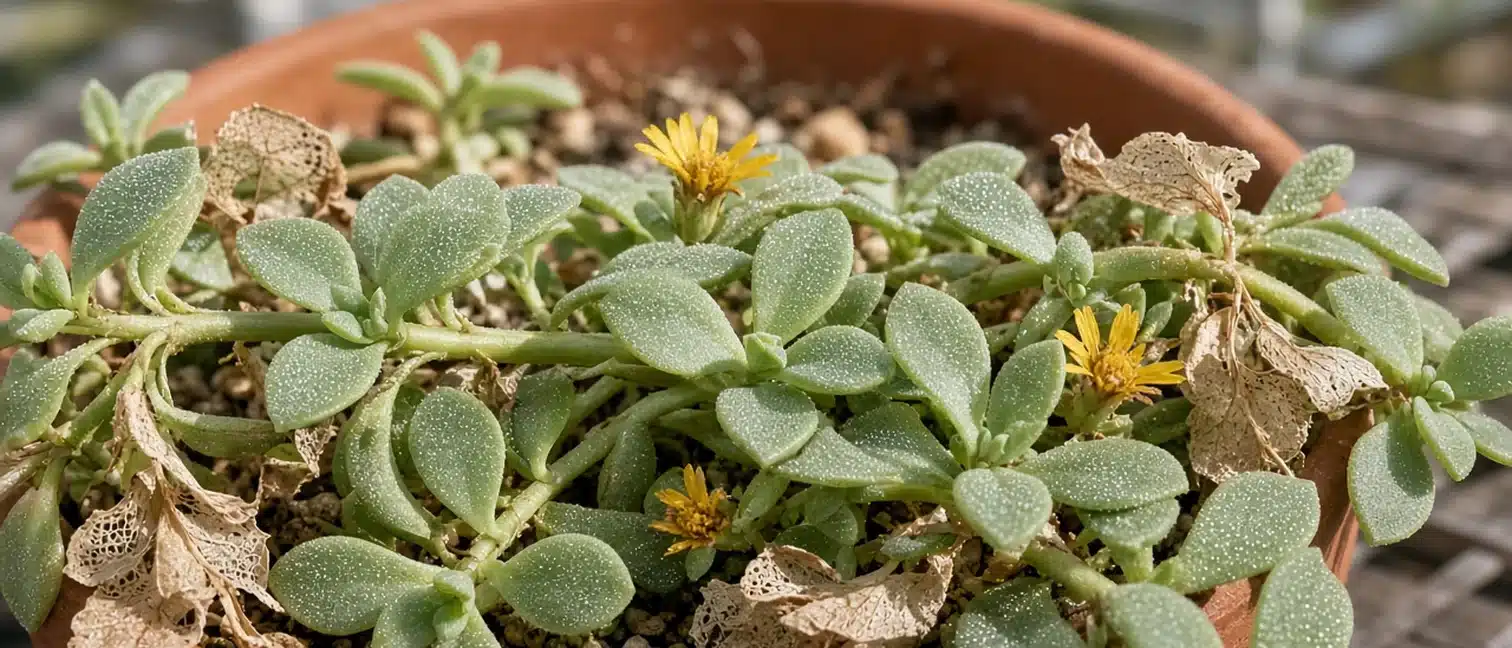
Kanna grows in the arid Karoo region of western South Africa. The plant has fleshy leaves with small, glistening water cells. During the dry season, the old leaves dry out, leaving a skeleton around the stem.

The active ingredients
Kanna contains alkaloids such as mesembrine and mesembrenone. Mesembrine inhibits the reuptake of serotonin. Mesembrenone also inhibits the enzyme PDE4. A standardized extract called Zembrin has been studied in small trials.
Comparison of Kanna Shapes
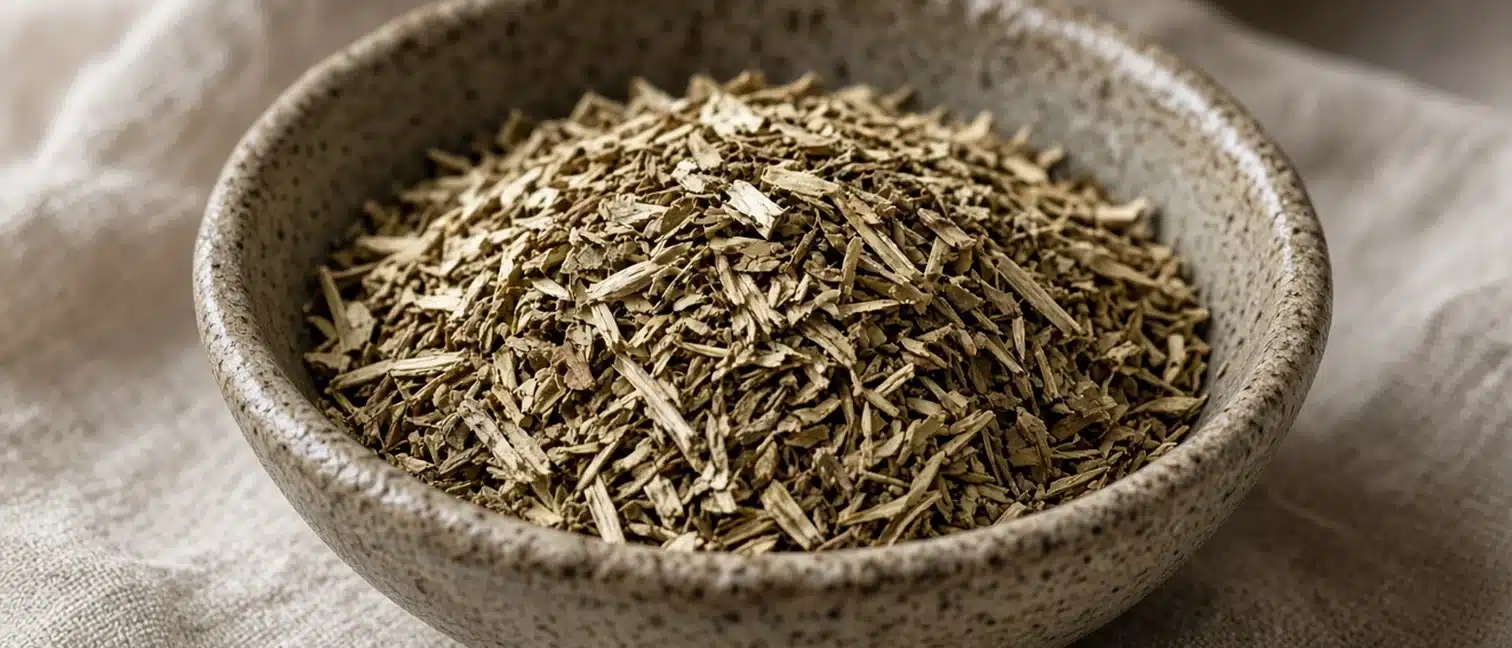
How do you use kanna?
- 1Start with a small amount of powder or a thin layer of extract.
- 2Place it under your tongue or make tea with it.
- 3Wait at least an hour before having another drink.
- 4Write down what you notice so you'll know what works for you next time.
Do not combine kanna with antidepressants or MAO inhibitors. Both affect serotonin levels, which can be dangerous.
What do you notice?
- ✓A relaxed and open feeling.
- ✓Sometimes I feel more like talking.
- ✓At higher doses, you may feel a little sleepy.
- ✓The effects are mild and last for a few hours.
Kanna: How to Make Tea
- 1Bring a cup of water to a boil and let it cool for one minute.
- 2Put a small amount of kanna powder into a tea bag or tea infuser.
- 3Let it steep for ten minutes.
- 4If desired, add honey or lemon for flavor.
Tea works a little slower than kanna under your tongue. You'll usually start to feel something after thirty to sixty minutes.
Kanna: Smoking or Combining with Cannabis
Some people mix a pinch of kanna into their joint or CBD flowers. Smoking it produces a quick but short-lived effect. Combining it with cannabis makes the effect less predictable. Therefore, always start with a very small amount.
What is a kanna extract?
To make an extract, the active ingredients are extracted from the plant and concentrated. A 10x extract is made from about ten times as much plant material as its final weight. As a result, you need less of it than you would with powder. A 40x extract is the strongest and requires a very low dose.
Possible side effects
- ✓Mild nausea, especially at high doses.
- ✓Headache.
- ✓Drowsiness or, on the contrary, restlessness.
- ✓When used in combination with serotonergic agents, there is a risk of serotonin syndrome.
How does kanna work in your body?
Mesembrine is the best-known compound found in kanna. Researchers have observed that mesembrine inhibits serotonin reuptake. This is a mechanism also found in some medications used to treat depression. However, the plant’s effect is much milder than that of such medications.
Mesembrenon has a second effect. It inhibits the enzyme PDE4. That enzyme plays a role in brain signals related to mood and alertness. Because of this combination, kanna makes many people feel both calm and clear-headed at the same time.
In addition to these two compounds, kanna contains other alkaloids such as mesembrenol and mesembranol. The ratio varies from plant to plant. Growing location and season are factors. The processing method also affects the profile. That is why one kanna product may feel different from another.
What does the research show so far?
Most research has been conducted using Zembrin, a standardized extract of Sceletium tortuosum. In a small 2013 study, researchers used brain scans to examine how the amygdala responded to fearful faces. After a single dose of Zembrin, that response was lower than after a placebo.
Another study from 2014 looked at healthy older adults. Participants who took Zembrin for three weeks scored better on several tasks measuring cognitive flexibility. The groups were small. Larger, long-term studies are still lacking. Therefore, Kanna is not a medication, and it cannot be said to have a curative effect.
Kougoed: The Traditional Preparation
In South Africa, fermented kanna is called kougoed. The African word literally means “something to chew on.” The San and the Khoikhoi crushed the fresh plant and left it in a sealed bag for several days. The material was then dried and stored.
According to research, this fermentation alters the plant’s alkaloid profile. It is also said to reduce the amount of oxalic acid. This makes the plant gentler on the stomach and mouth. Kougoed was chewed and sometimes used as sniff used. It helped hunters and travelers on long journeys through the arid Karoo.
Buying a Kanna: What Should You Look For?
Kanna is legally available for purchase in the Netherlands. However, products vary significantly. Keep these points in mind when making your selection.
- ✓Choose a reputable smart shop that specifies the plant's origin.
- ✓Check whether it's ground herb or an extract. An extract is stronger.
- ✓The designation "10x" or "20x" indicates the concentration. It is not a fixed standard across brands.
- ✓Always read the instructions on the package.
- ✓Store kanna in a cool, dark place in a tightly sealed container.
In our kanna category you'll find both kanna powder as extracts in various strengths.
Dosage and Administration
There is no official dosage for kanna. If you're trying it for the first time, start with a small amount. Follow the instructions on the package. Wait at least an hour before considering taking more.
How you take kanna partly determines how quickly you feel its effects. You’ll feel it faster under the tongue or as a snuff than when taken as tea. An extract is more potent than the same amount of ground herb. So don’t just switch forms without adjusting the dosage.
Don't take kanna every day. Taking a break between uses helps you continue to feel its effects. Never use it if you need to drive or operate machinery.
Who should avoid kanna?
- ✓People who take antidepressants such as SSRIs or MAO inhibitors.
- ✓People with heart disease or high blood pressure.
- ✓Pregnant women and women who are breastfeeding.
- ✓Anyone under the age of eighteen.
- ✓People who are already taking other medications that affect serotonin.
If you're unsure, talk to your doctor or pharmacist first. They know which medications you're taking and can assess whether kanna poses a risk.
Kanna Compared to Other Herbs
Kanna is often compared to Kratom and kava. Yet they work differently. Kava comes from the Pacific Ocean and contains kavalactones, which primarily relax the body. Kratom comes from Southeast Asia and acts on different receptors than kanna. Kanna works primarily through serotonin and feels lighter and more social to many users.
Because their effects are so different, you shouldn't just combine these herbs. Always try one remedy on its own first so you know how you react to it.
Growing Kanna Yourself
Sceletium tortuosum is a succulent and grows well as a houseplant in the Netherlands. The plant prefers plenty of light and little water. Use well-draining soil mixed with sand or gravel. Water occasionally in the summer and let the soil dry out completely in between waterings.
In the winter, the plant needs a rest period. Place it in a cool, bright spot and water it very sparingly. Kanna cannot tolerate frost. In the summer, you can safely place the pot outside on a sunny balcony. Seeds germinate best in the warmth of spring.
Storage and Shelf Life
Dried kanna and extract will keep for a long time if stored in a dry place. Moisture and light gradually break down the active ingredients. A glass jar stored in a dark cabinet is ideal. Keep the product out of the reach of children and pets. Also, check the expiration date on the packaging.
Kanna and Your Mental Well-Being
Many people turn to kanna because they want to feel calmer in social situations. Users describe a slight reduction in tension and a pleasant sense of openness. These are personal experiences, not medical findings. Kanna is not a substitute for treatment by a doctor or psychologist.
Are you experiencing prolonged feelings of sadness or anxiety? If so, seek professional help. Never use kanna if you’re already taking medication for your mood. The combination can lead to serotonin syndrome, a serious reaction that includes restlessness, sweating, fever, and a rapid heartbeat.
What does the plant look like?
Kanna is a low-growing, creeping succulent with fleshy green leaves. The leaves have small, glistening cells that resemble water droplets. In the spring, the plant produces flowers in shades of white, light yellow, or soft pink. After flowering, the plant forms small seed pods.
What stands out most is its behavior during the dry season. Old leaves dry out into a papery skeleton around the new shoots. This skeleton protects the young leaves from the sun and dehydration. This characteristic is how you can identify Sceletium tortuosum in the wild.
User Experiences
If you read people’s experiences, you’ll see a clear pattern. With a low dose, people mainly describe a calm and clear feeling. With more kanna, they describe a deeper sense of relaxation that sometimes turns into drowsiness. A small group notices almost nothing. The latter is more common with ground herb than with extract.
The side effects most commonly reported by users are headaches, nausea, and lightheadedness. These symptoms usually go away within a few hours. If symptoms persist, stop using the product and consult a doctor.
The History of Kanna
Europeans first described kanna in 1685. Simon van der Stel, the governor of the Cape Colony, mentioned the plant in the journal of his expedition to Namakwaland. He observed that the local people chewed and traded the plant. The name “kougoed” literally means “something to chew on.”.
Our take on kanna
Kanna is a mild and legal herb with a long tradition. It is not a substitute for medication. Anyone who starts out cautiously and isn't taking any other serotonergic substances can safely give it a try.
Want to learn more? Then check out our article on herbs as a traditional remedy. In the shop, you'll also find our supplements.
Kanna at Smartific
Kanna powder · Kanna 10x extract · Kanna 20x extract · Kanna 40x extract · All kanna
Mesembrine and the other alkaloids
Kanna contains a group of compounds called mesembrine alkaloids. The best-known of these are mesembrine, mesembrenone, and mesembrenol. The amount of each compound in a plant varies greatly. It depends on the plant, its growing location, and the method of processing. Fermentation, as in traditional kougoed, alters the ratio of the alkaloids.
As a result, one kanna may feel different from another. A product that lists its alkaloid content gives you more clarity. That way, you have a better idea of what you're using.
Zembrin and standardized extracts
Zembrin is a patented extract of Sceletium tortuosum with a fixed ratio of alkaloids. It was developed in South Africa. Much of the scientific research on kanna has been conducted using this extract. In a 2011 study, researchers tested its safety in healthy volunteers. No serious side effects were found.
In 2013, Dutch researchers published a study based on brain scans. They found that a single dose of Zembrin reduced the amygdala’s response to fearful faces. The amygdala is the part of the brain involved in fear. The study involved a small group of participants. Therefore, it is still too early to draw any major conclusions from this.
Snorting Kanna
In South Africa, kanna was also snorted as a powder. The effects set in more quickly than when chewing it or drinking it as tea. The effects also tend to last for a shorter time. Snorting can irritate the nasal mucosa. Therefore, use only a very small amount and do not do it frequently in succession.
Kanna and Alcohol
It’s best not to combine kanna with alcohol. Both affect your mood and judgment, which can make you more likely to cross your limits. It also increases the risk of nausea and headaches. Want to try kanna? If so, do it on a night when you’re not drinking alcohol.
Tolerance and How Often You Use Kanna
Little research has been done on tolerance to kanna. Many users notice that the effects diminish when they take it every day. Therefore, be sure to take breaks between uses. This will keep the effects noticeable and prevent you from needing more and more.
Common Mistakes with Kanna
- ✓Taking a second dose too soon just because you don't feel anything yet.
- ✓Measure out a strong extract as if it were regular powder.
- ✓Do not combine Kanna with antidepressants without consulting a doctor.
- ✓Take Kanna on an empty stomach if you are prone to nausea.
- ✓Buying Kanna without clear information about its origin and potency.
So always start with a low dose and give the medication time to work. Check out the selection in our Smart Shop and read the usage instructions for each product.
Is kanna addictive?
There are no known reports of physical dependence on kanna. However, you can become accustomed to any substance that affects your mood. Do you use kanna to relieve your low mood? If so, be mindful of whether it’s becoming a habit. If you experience persistent low mood, talk to your doctor.
Kanna and Driving
Kanna can make you feel relaxed and affect your attention. Therefore, do not drive after using kanna. Wait until the effects have completely worn off. This also applies to operating machinery or riding a bicycle in heavy traffic.
Kanna During Pregnancy
No studies have been conducted on kanna during pregnancy or breastfeeding. Therefore, the recommendation is not to use it during that time. This applies to all herbs that affect your mood. If you have any doubts, consult your midwife or family doctor. It’s also wise to do so if you’re trying to conceive. During this time, it’s best to prioritize rest and outdoor exercise.
People with heart disease or high blood pressure should also consult a doctor first.
Frequently Asked Questions About Kanna
What is kanna?
Is kanna legal in the Netherlands?
How long does kanna last?
Can I take kanna along with antidepressants?
What is the difference between powder and extract?
Important
This article is intended for informational purposes only. Smartific does not supply any products that violate Dutch law. If you have any doubts or need personal advice, always consult a doctor.