What is Trichocereus Bridgesii?
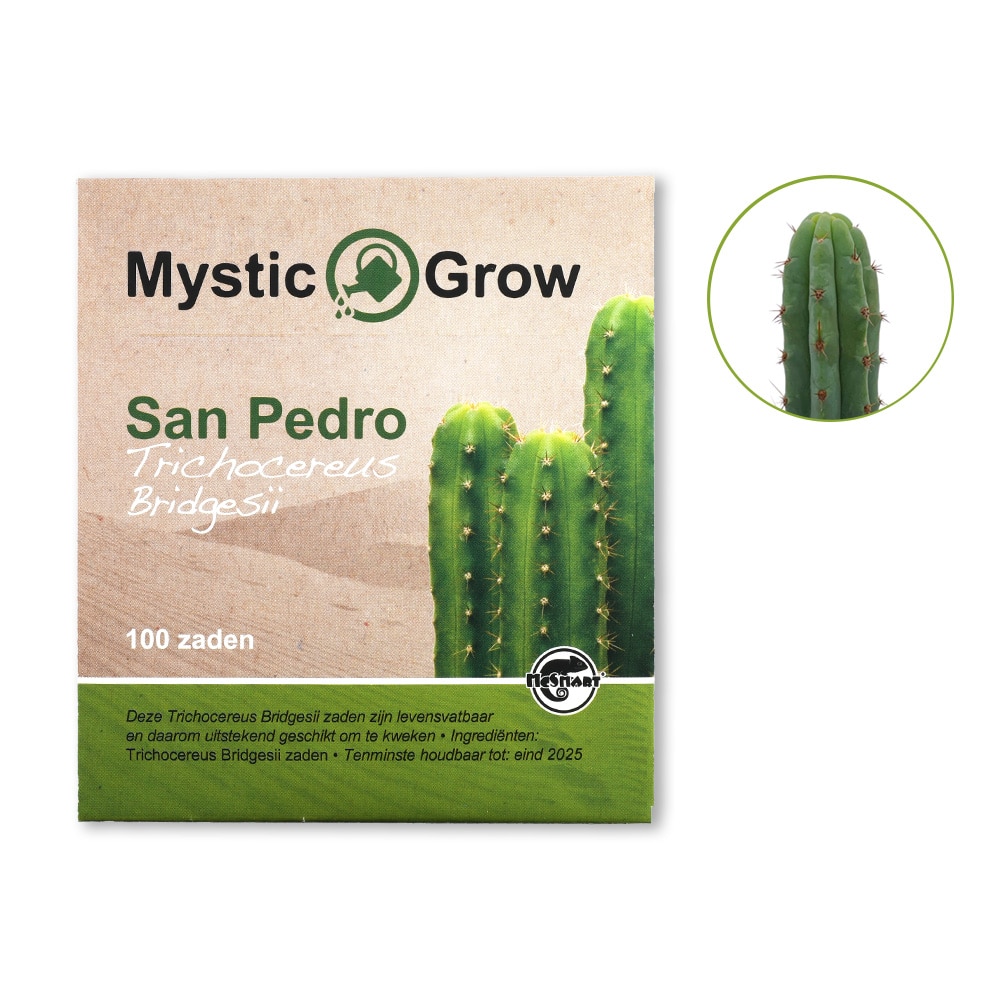
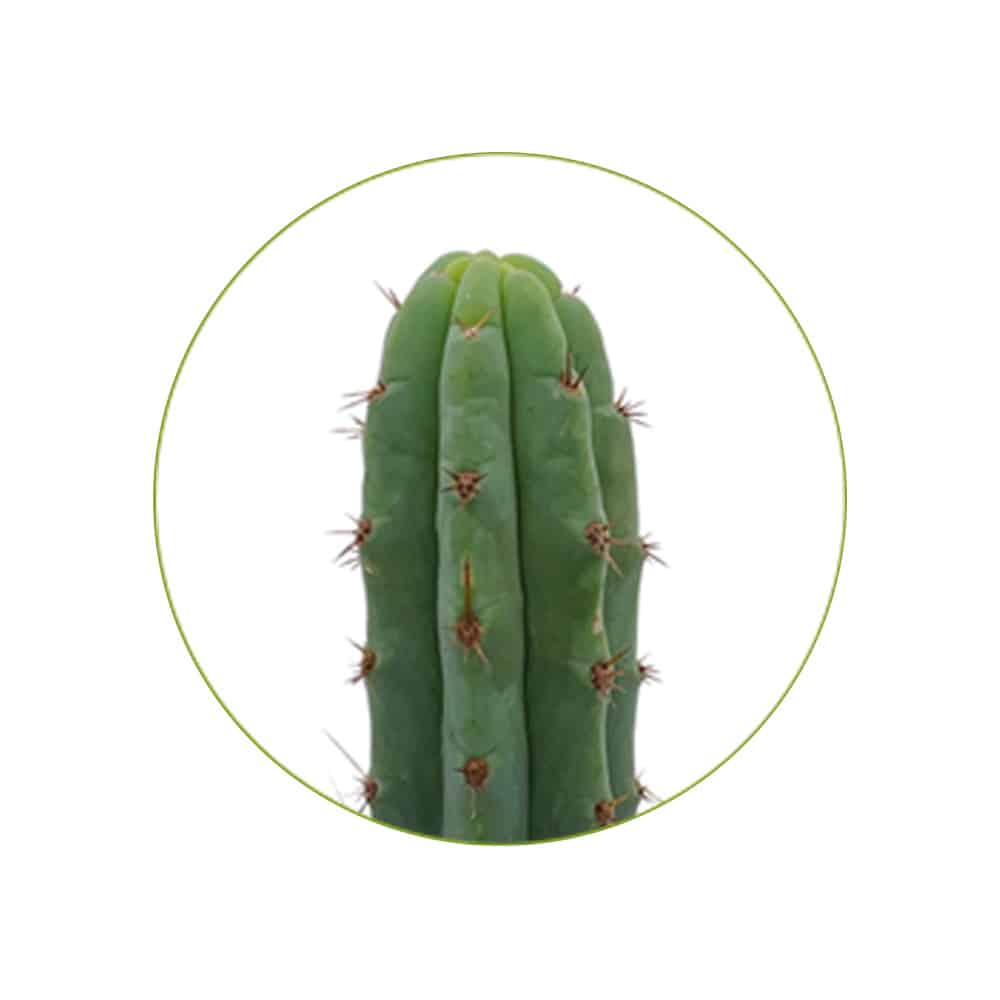
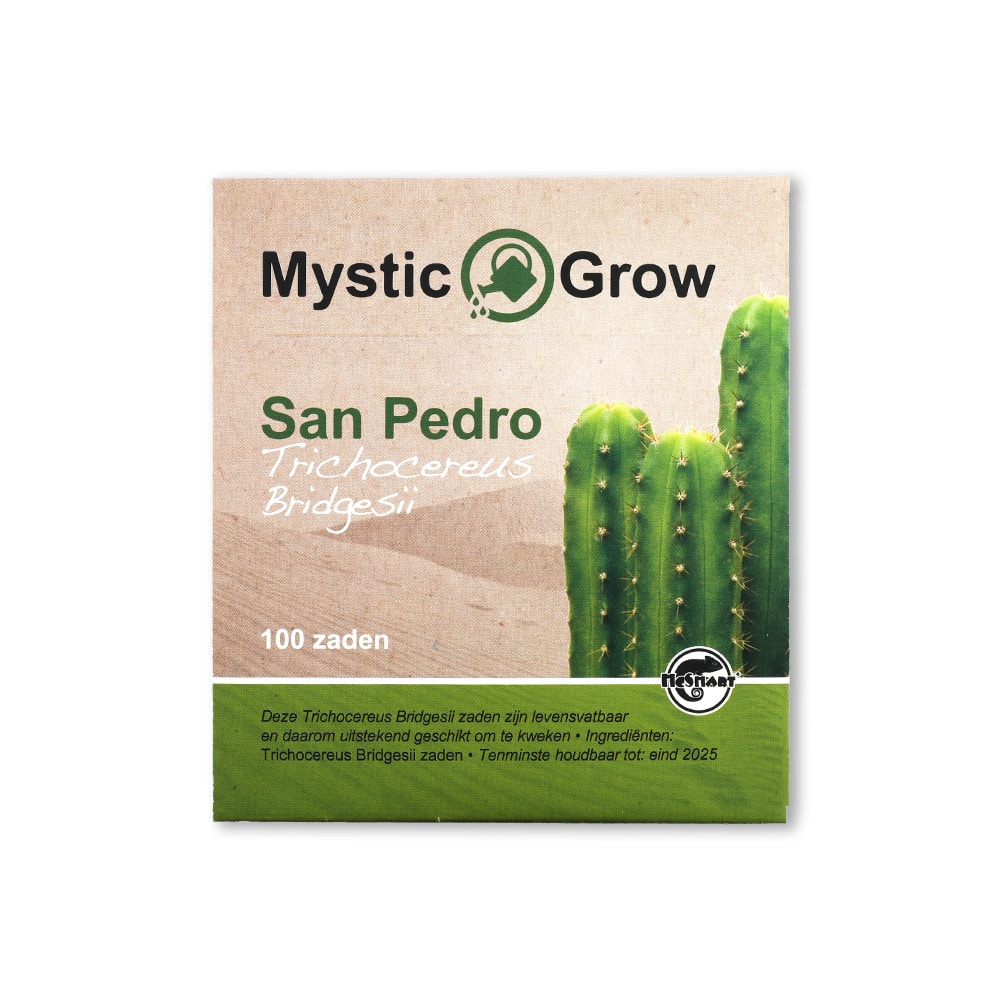
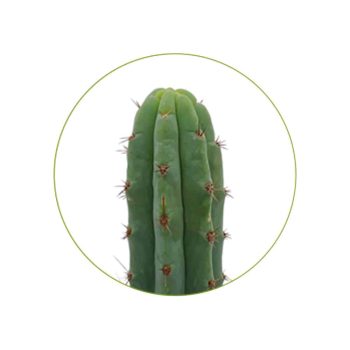
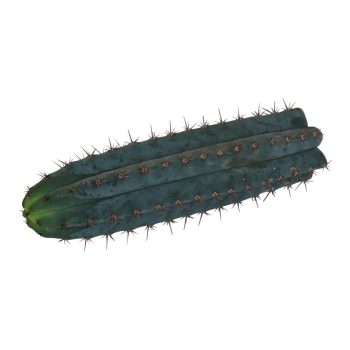
Trichocereus bridgesii, also known as the San Pedro cactus, is a lesser-known species within the Trichocereus genus, valued for its tall, columnar structure and distinctive ribs. Although it contains lower levels of mescaline compared to other Trichocereus species, it is still appreciated for its ability to enhance sensory perception and produce vivid visual experiences.

Botanically reclassified as Echinopsis Lageniformis, this cactus is sometimes referred to as the “penis plant” due to its unique appearance. Despite its psychoactive reputation, it is widely appreciated as an ornamental plant. Many enthusiasts cultivate it for both its aesthetic appeal and its cultural significance in traditional medicinal practices.
History of Trichocereus Bridgesii
Trichocereus Bridgesii is native to Bolivia, where it has been used for centuries for medicinal and spiritual purposes. Indigenous cultures have historically incorporated this cactus into rituals and healing practices, believing in the plant's ability to provide deep introspection and therapeutic benefits.
The name “San Pedro” refers to Saint Peter, the Christian saint believed to possess the keys to heaven, suggesting the cactus was historically associated with unlocking deep spiritual experiences. Over time, it has gained recognition worldwide, with cultivators using clones to preserve its unique growth patterns.
Although botanically reclassified under the Echinopsis genus, the traditional name Trichocereus Bridgesii remains widely used among enthusiasts, preserving its botanical and cultural significance.
How to Grow Trichocereus Bridgesii
Growing Trichocereus Bridgesii – San Pedro cactus is a rewarding experience for both beginners and experienced growers. The cactus can thrive both indoors and outdoors, as long as it receives sufficient sunlight. While it does best in full sun, partial shade during the hottest parts of the day will help prevent sunburn.
Planting and Care:
-
SoilUse a well-draining mixture of sand, perlite, and cactus soil to prevent root rot.
-
WateringProvide moderate water and allow the soil to dry out between waterings. Overwatering can be detrimental.
-
TemperatureThe cactus prefers warmth and humidity during germination, but once fully grown, it is resistant to drought.
-
GrowthTrichocereus Bridgesii grows slowly but steadily, requiring patience and consistent care. Experimenting with light, watering, and soil conditions helps determine the best environment for optimal growth.
Connections in Trichocereus Bridgesii
The Trichocereus Bridgesii - San Pedro cactus contains several naturally occurring alkaloids, including:
-
Mescaline (low concentration): A psychoactive compound responsible for enhancing the senses.
-
Tyramine & HordenineAlkaloids that contribute to the plant's unique chemical composition.
-
Cellulose & fibrous tissuesThese give the cactus its structural integrity and characteristic columnar growth.
Although mescaline is present, the effects are typically milder than those of species like Trichocereus Peruvianus, making it a preferred choice for those seeking subtle sensory experiences rather than an intense psychedelic journey.
Warning
Although Trichocereus Bridgesii – San Pedro cactus is widely cultivated for ornamental purposes, its mescaline content means some jurisdictions regulate its use. Always check local laws before cultivating or using this plant for anything other than ornamental purposes.