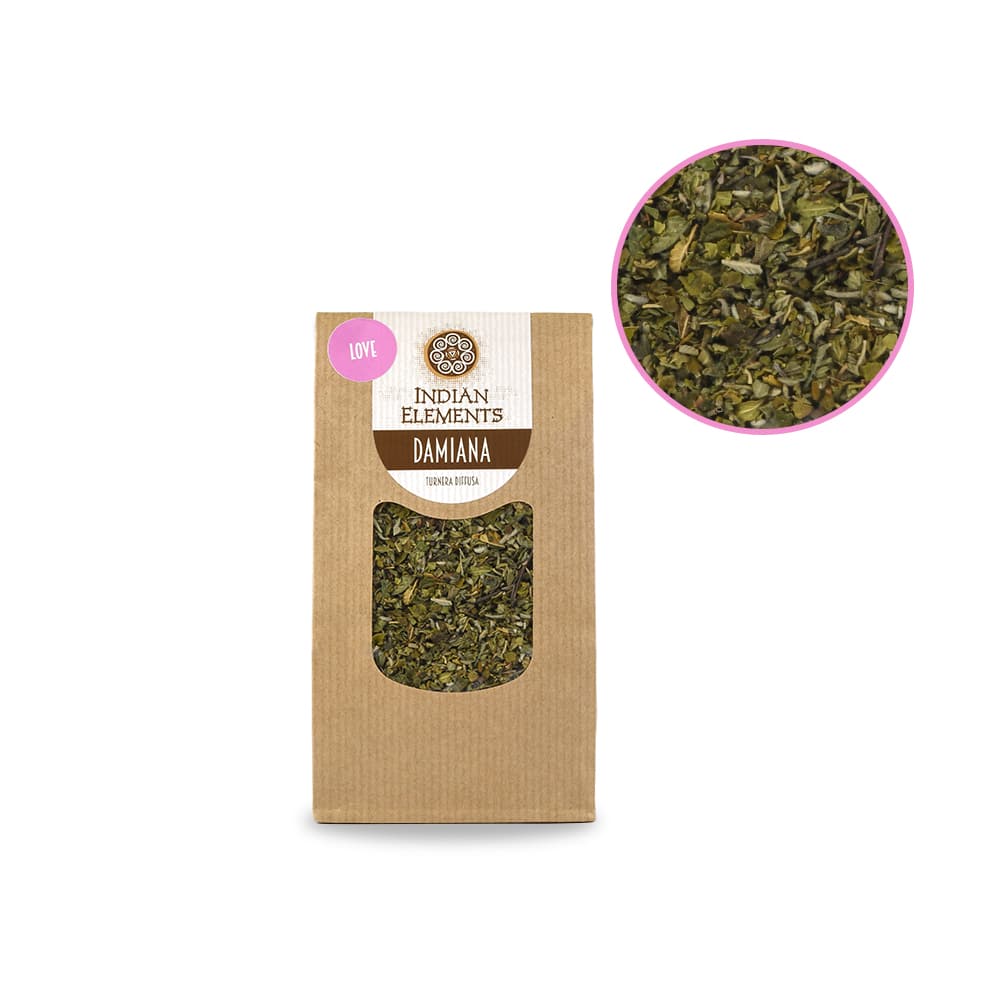
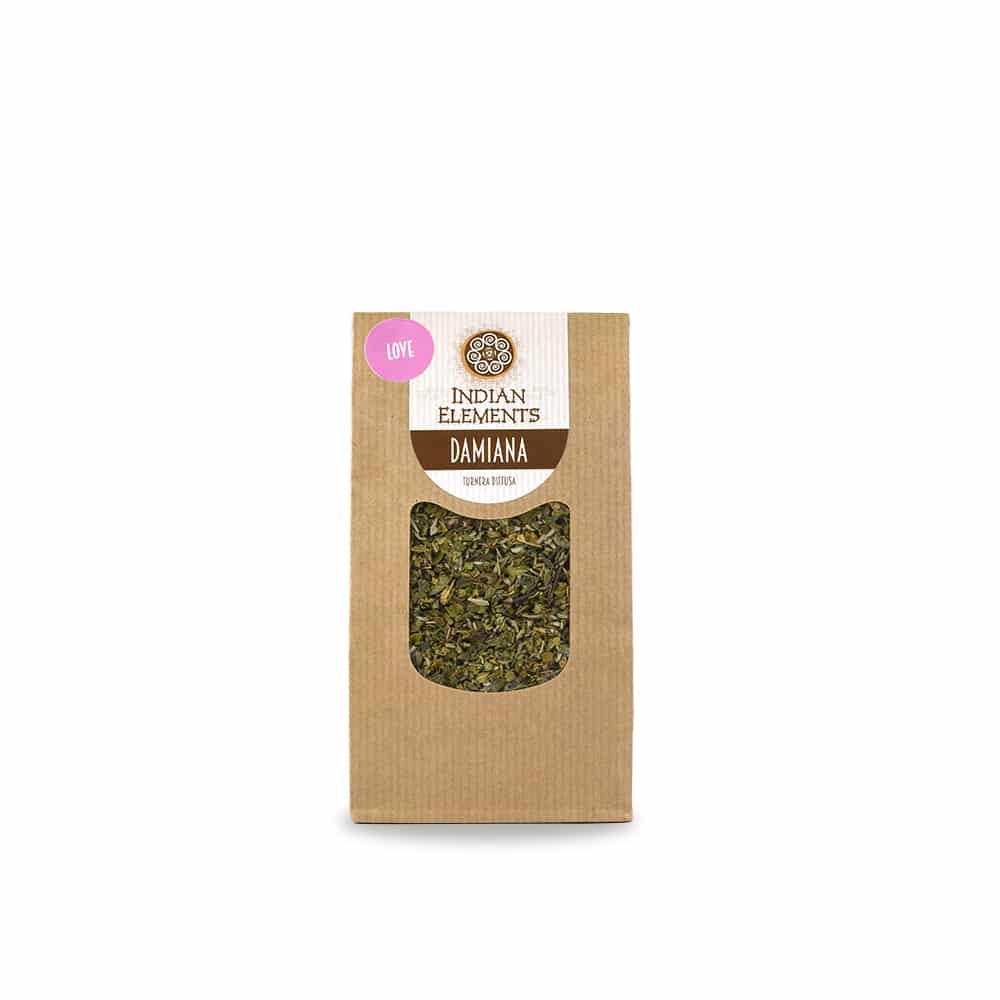
What is Damiana?
Damiana is a shrub native to Central and South America, known for its wide range of therapeutic applications. This plant, belonging to the Passifloraceae family, is easily recognizable by its small yellow flowers and aromatic green leaves. Damiana has long been praised for its positive effects on sexual well-being. Indigenous cultures in Mexico traditionally used it to stimulate libido and support sexual performance.
Besides its aphrodisiac properties, damiana offers mild psychoactive effects that promote relaxation and emotional balance. It is often compared to a gentler, THC-free version of cannabis due to its calming properties.
How does Damiana work?
Damiana primarily works by stimulating the nervous system and improving blood circulation, particularly to the genital area. This enhanced blood flow can contribute to increased sexual desire and better performance. Traditionally, Damiana was consumed as a tea or smoked, but nowadays it is mostly available in supplement form, making its use easy and accessible for modern users.
History of Damiana
Damiana has been used for centuries by indigenous peoples in Mexico and Central and South America. Ancient civilizations valued the herb for its wide range of medicinal applications, from treating fatigue and mood disorders to enhancing sexual vitality. It was also used in spiritual and ceremonial contexts.
In traditional Mexican medicine, damiana was an important ingredient, and it even found its way into local drinks—notably Damiana liqueur, a beverage still enjoyed today. The plant's reputation spread beyond the Americas in the 19th and 20th centuries as interest in herbal remedies and natural health solutions grew worldwide. Today, it remains popular for its energizing and libido-enhancing effects.
Damiana can be used in several ways. Here are some common methods: **1. Damiana Tea:** * **How to make:** Add 1-2 teaspoons of dried damiana leaves to a cup of hot water. Steep for 5-10 minutes, then strain and drink. * **When to drink:** It's often consumed as a relaxing tea, especially in the evening. **2. Smoking Damiana:** * **How to use:** The dried leaves can be smoked on their own or mixed with other herbs. * **Caution:** Smoking damiana may have potential health risks, similar to smoking any plant material. **3. Damiana Tincture:** * **How to use:** Tinctures are concentrated liquid extracts. Follow the dosage instructions on the product packaging, as it varies between brands. **4. Damiana in Food/Recipes:** * **How to use:** Damiana can be added to various culinary creations, often in small amounts due to its potent flavor. It's sometimes used in liqueurs, chocolates, or as a spice. **5. Damiana Essential Oil (for aromatherapy):** * **How to use:** While not typically consumed internally, the essential oil can be diffused for aromatic purposes. * **Caution:** Essential oils are highly concentrated and should not be ingested unless specifically advised by a qualified professional. **General Considerations and Cautions:** * **Dosage:** It's always best to start with a low dose and gradually increase if needed. Consult a healthcare professional for guidance on appropriate dosages. * **Potential Side Effects:** Some people may experience mild side effects like headaches or digestive issues. * **Contraindications:** Damiana may interact with certain medications, particularly those for diabetes or blood pressure. It's also not recommended for pregnant or breastfeeding women. * **Quality:** Ensure you are sourcing damiana from a reputable supplier to guarantee its purity and quality. **It is highly recommended to consult with a healthcare professional or a qualified herbalist before using damiana, especially if you have any underlying health conditions or are taking medications.** They can provide personalized advice based on your individual needs and health status.
There are several ways to use Damiana, depending on your preference. One of the most traditional methods is making tea. Let the dried leaves steep in hot water to extract the beneficial compounds. The tea has a mild relaxing effect and can be drunk on its own or mixed with complementary herbs like Muira Puama for added benefits.
Another useful option is taking Damiana as a supplement, available in capsule or extract form. A standard dose is about 1 gram per day. As with any supplement, it's wise to start with a lower dose to see how your body reacts, and then gradually increase it if needed.
For lovers of herbal drinks, Damiana combines well with other natural ingredients, offering a flavorful and health-promoting beverage. Whether you want to relax or enhance your mood, Damiana is easy to incorporate into your wellness routine.
Ingredients of Damiana
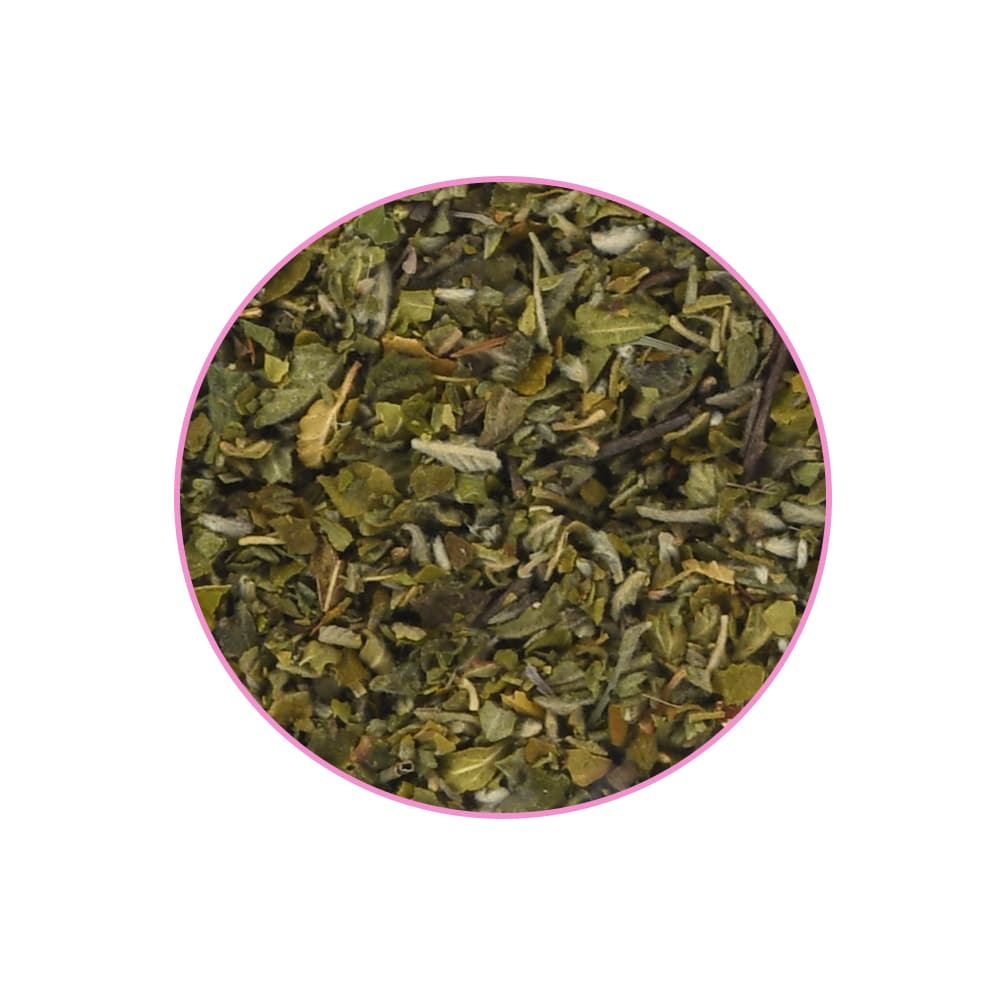
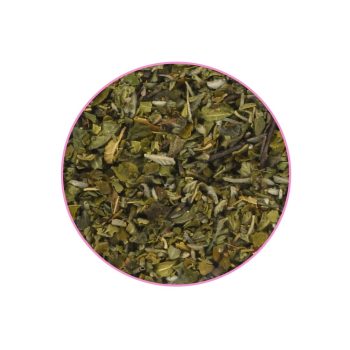
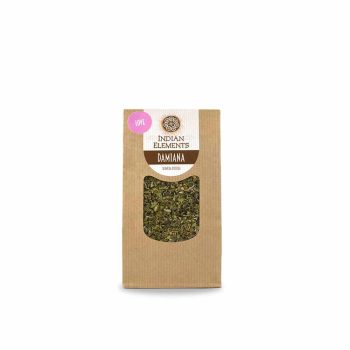
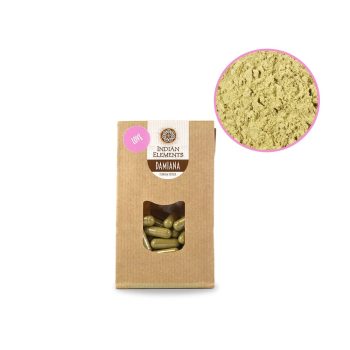
The main ingredient in Damiana products is the leaf of the Turnera diffusa plant. These leaves are carefully harvested and dried to preserve their therapeutic qualities. Although Damiana is primarily known as an aphrodisiac, it also offers a range of other benefits thanks to its unique chemical profile.
The plant contains active compounds such as flavonoids, alkaloids, and essential oils. These ingredients contribute to its stimulating and calming effects on the nervous system, helping to improve focus, elevate mood, and boost energy. Notably, Damiana does not contain THC, making it a safe choice for those seeking mood enhancement without intoxication.
Warning
Damiana is intended for adult use and should be kept out of reach of children. Individuals with heart or kidney conditions, blood pressure problems, diabetes, or those using medications, drugs, or alcohol should avoid this herb. It should not be used in combination with MAO inhibitors.
This product is a dietary supplement and is not intended to replace a balanced diet. Always check the packaging to ensure the safety seal is intact before use. If the seal is broken, do not consume the product.