What is Trichocereus Pachanoi?
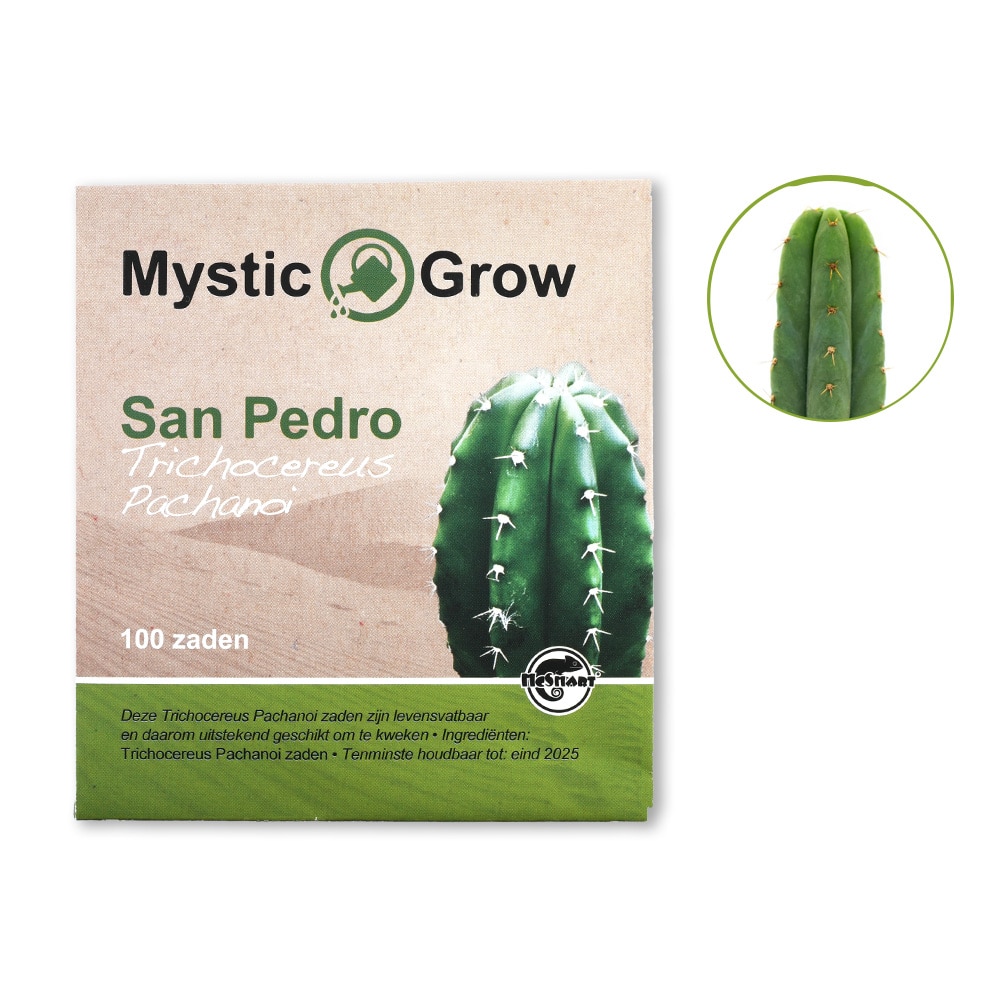
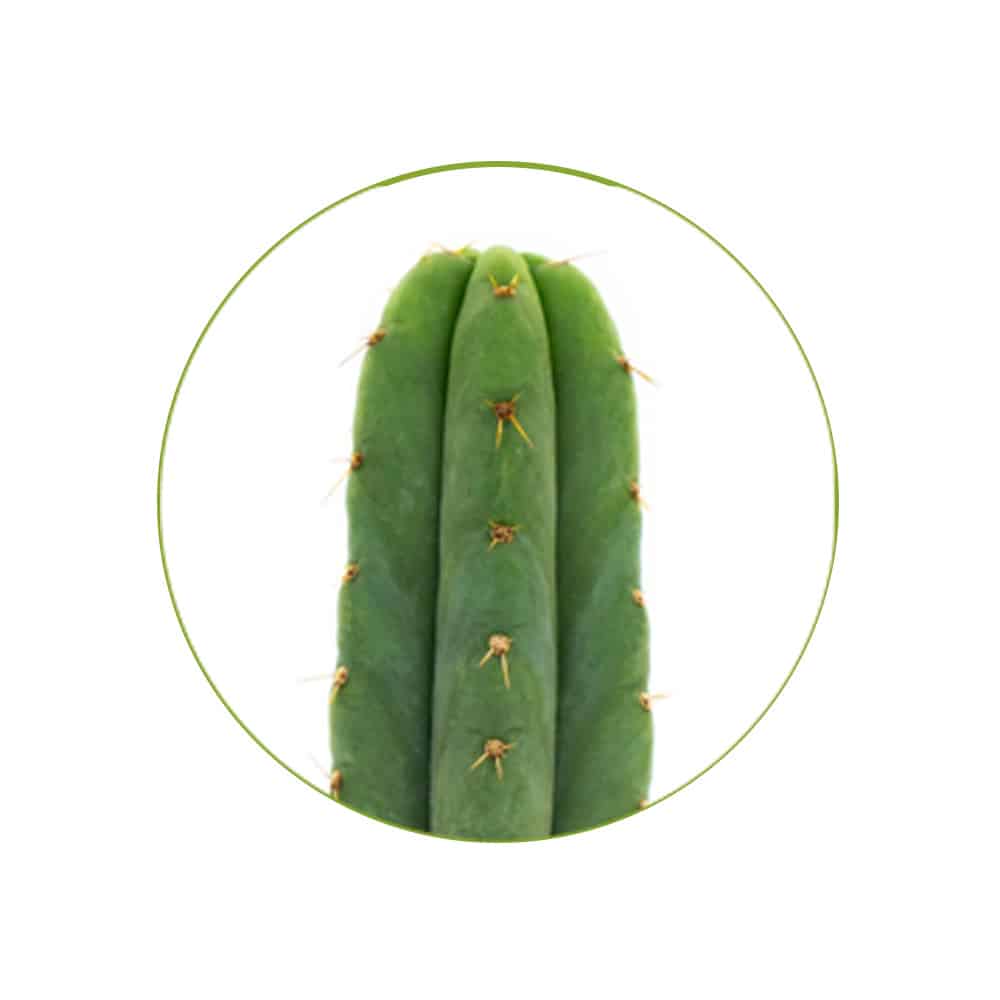
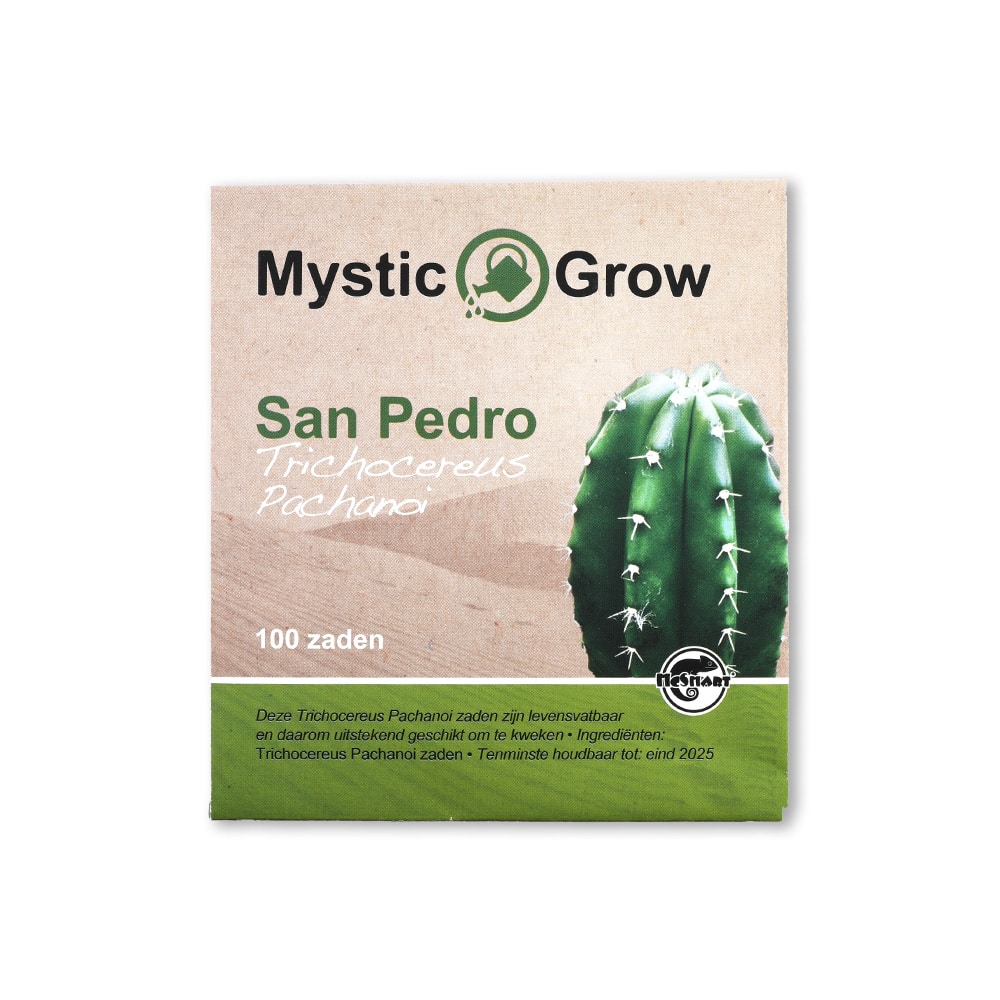
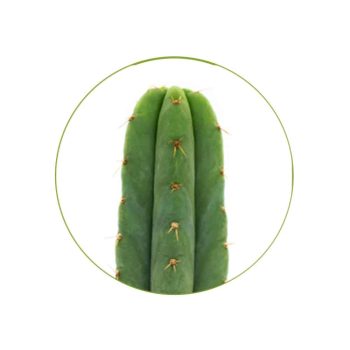
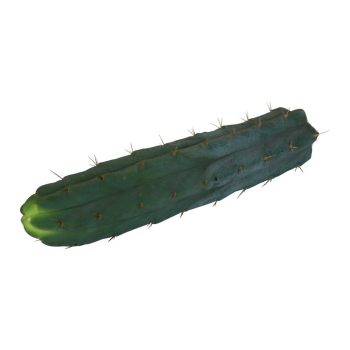
Trichocereus Pachanoi, also known as the San Pedro cactus, is a fast-growing cactus species that thrives in various climates. It is part of the genus Echinopsis and is known for its psychoactive properties. The cactus has a tall, green, ribbed stem with spines and is native to the Andes region, particularly Ecuador and Peru.

The San Pedro cactus contains mescaline, a psychoactive alkaloid, which has sparked interest from researchers studying its effects in both ethno-botany and spiritual practices. Due to its rapid growth and resilience, it has become a favorite among gardeners. Historically, the San Pedro cactus is often associated with Saint Peter, symbolizing the “keys to heaven.”
History of Trichocereus Pachanoi
The use of Trichocereus Pachanoi dates back more than 3,000 years and is deeply rooted in the spiritual and medicinal practices of indigenous cultures in South America. Especially in Peru and Ecuador, this cactus is an integral part of shamanic rituals and ceremonies. Archaeological evidence confirms its long-standing use in spiritual contexts.
After the arrival of Spanish Catholic missionaries, the cactus was named “San Pedro.” Its psychoactive properties were linked to religious enlightenment, as it was believed that Saint Peter granted access to the divine realms. Despite attempts to suppress indigenous customs, the ceremonial use of San Pedro persisted and remains an important part of Andean traditions.
Interest in Trichocereus Pachanoi has grown in modern times, particularly within the psychedelic research community. Scientists are investigating the therapeutic potential of its mescaline content, especially for mental health. The cactus is now cultivated both as an ornamental plant and for its cultural significance.
How to Use Trichocereus Pachanoi
Trichocereus Pachanoi can be consumed in a variety of ways, each offering a different psychedelic experience. Traditionally, indigenous cultures prepare the cactus as a tea, boiling it for several hours to extract the psychoactive compounds. This method produces a gradual and intense psychedelic effect that lasts for several hours.
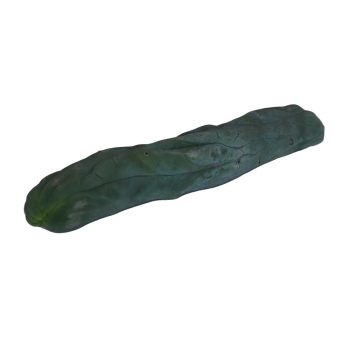
Another commonly used method is eating the fresh cactus flesh. The peel of the cactus contains the highest concentration of mescaline, so users peel the cactus and eat the flesh. This method often leads to strong sensory effects, including enhanced visual perception and deep introspection.
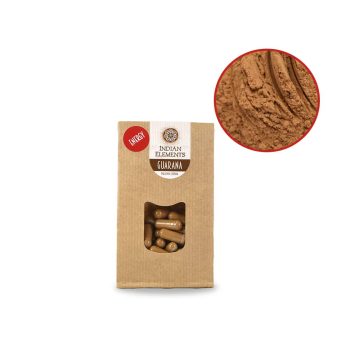
Some people also choose to dry the cactus, grind it into powder, and take it in capsule form, which allows for controlled dosages and easier ingestion. However, it is important to note that Trichocereus Pachanoi is not legal for consumption in all countries. Always check local regulations before using this cactus.
Due to the powerful effects of this cactus, it is recommended to use it in a safe, controlled environment with proper guidance, especially for those engaged in spiritual or personal exploration.
Warning
The use of Trichocereus Pachanoi can cause intense psychoactive effects, including hallucinations, nausea, and altered perceptions. It is crucial to consult a professional if you have mental health issues or are taking medication. Consumption is illegal in some countries, so always verify local laws before use.
Ingredients of Trichocereus Pachanoi
The main component of Trichocereus pachanoi is mescaline, a naturally occurring psychedelic compound that causes the cactus’s mind-altering effects. On average, mescaline accounts for about 0.8% of the cactus’s fresh weight, although the concentration can vary.
Besides mescaline, *Trichocereus pachanoi* contains other alkaloids like tyramine and hordenine. Although these compounds contribute to the cactus's physiological effects, they are present in much smaller amounts. Ongoing research is exploring the plant's chemical composition and its potential medicinal applications.
Besides its psychoactive properties, Trichocereus Pachanoi is a robust and nutritious plant. It thrives in various soils and is cultivated for both its ornamental value and its mind-altering effects, making it a popular choice for cactus enthusiasts worldwide.