


September
Delta-8 THC and Delta-9 THC: What's the Difference?
Updated on October 29, 2026 · Reading time: 8 minutes
Short answer: Delta-8 THC and delta-9 THC are nearly identical molecules. They differ only in the location of a double bond. Delta-8 binds more weakly to the CB1 receptor and therefore has a milder effect. Delta-8 occurs only in very small amounts in the plant. Most delta-8 is synthesized in a lab from CBD. In the Netherlands, delta-8, as an isomer of THC, is classified under Schedule I of the Opium Act.
Anyone who delves into cannabinoids will quickly come across the terms delta-8 THC and delta-9 THC. In the United States, delta-8 products have become popular in recent years. As a result, they’re also showing up in Dutch search results. But what exactly are these substances? And what’s the legal situation in the Netherlands?
In this article, we clearly explain the difference. You’ll learn what these substances are and how they work. You’ll also learn how delta-8 is produced and why its quality is often inconsistent. Finally, we’ll outline the Dutch regulations.
Table of Contents
What is THC?
THC stands for tetrahydrocannabinol. It is the best-known compound in the cannabis plant. When people talk about THC, they almost always mean delta-9 THC. That compound is responsible for the high produced by marijuana and hashish. The plant first produces THCA. The active form is only created when it is heated during smoking or vaporizing.
The plant produces many other cannabinoids as well. CBD is the best known of these. CBD does not produce a high. In addition, there are dozens of compounds present in small amounts. Delta-8 THC is one of them.
What is the difference between delta-8 and delta-9?
Chemically, the two compounds are almost identical. They have the same atoms. The only difference is the position of a double bond in the carbon chain. In delta-9, it is on the ninth carbon atom. In delta-8, it is on the eighth. Such compounds are called isomers.
How do they work in your body?
Both substances act through the endocannabinoid system. Among other things, this system regulates mood, appetite, and pain. The main receptor responsible for the "high" is CB1, which is found primarily in the brain.
Delta-9 is a partial CB1 agonist. Delta-8 does the same but binds less strongly. According to a 2024 scientific review article, the psychoactive effect of delta-8 is about 75 percent that of delta-9. Delta-8 is, however, more stable. It degrades less quickly when exposed to light and air.
What side effects do users report?
Users describe delta-8 as a milder version of a typical high. They mention relaxation, an altered sense of time, and increased appetite. The side effects also resemble those of marijuana: a dry mouth, red eyes, a faster heart rate, and sometimes restlessness. There is little reliable research on people who use delta-8. Much of what is known comes from anecdotal accounts.
How is delta-8 made?
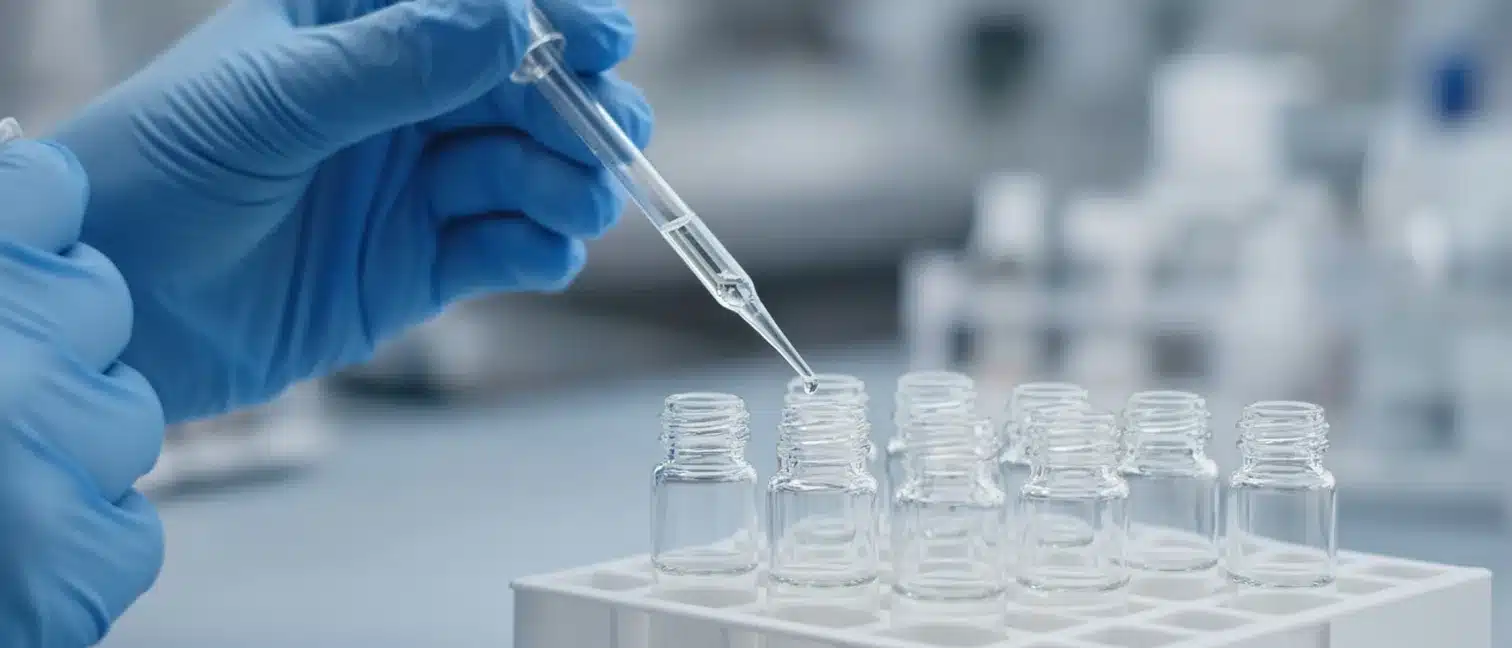
There is so little delta-8 in the plant that extracting it isn't worth the effort. That's why manufacturers usually produce it from CBD. This is done using acids and solvents in a chemical process. The result is therefore semisynthetic.
There is a significant risk here. Byproducts can be created during that conversion process. No one really knows what some of those substances do. The U.S. FDA has issued warnings about products containing unknown byproducts and mislabeled products. There have also been reports in the U.S. of people becoming ill after using delta-8 products.
What does Dutch law say?
In the Netherlands, the situation is clear. Schedule I of the Opium Act lists THC. In addition, the isomers and stereoisomers of tetrahydrocannabinol are also included in Schedule I. Delta-8 is an isomer of delta-9. This means that delta-8 is classified as a hard drug in the Netherlands under the law.
This means that it is illegal to sell, transport, or possess delta-8. This also applies to oil, vapes, and edibles containing delta-8. The policy of tolerance for coffee shops applies to hemp and hashish listed in Schedule II. It does not apply to individual THC isomers.
Have you seen Delta 8 products online that are advertised as legal? In the Netherlands, that’s not true. Delta 8 is classified under Schedule I of the Opium Act here.
And what about other countries?
In the United States, delta-8 became popular due to a loophole in the law. The 2018 Farm Bill legalized hemp with low levels of delta-9. Producers took advantage of this to produce delta-8 from hemp CBD. Many states have since introduced their own regulations. So never assume that just because something is for sale in the U.S., it’s also allowed here.
Delta-8 and Drug Testing
Standard drug tests look for THC metabolites. Delta-8 and delta-9 produce nearly identical metabolites. A test usually cannot tell the difference. Therefore, anyone who uses delta-8 may test positive for THC. This is important for driving and work.
What alternatives are actually legal?
Are you looking for relaxation without a high? Then CBD is an option. CBD is permitted in the Netherlands because it contains so little THC that the product is not subject to the Opium Act. Check out our selection of CBD products. Always check the results from an independent lab.
Would you like to grow cannabis yourself for personal use? In the Netherlands, growing up to five plants for personal use is tolerated. In our shop, you’ll find marijuana seeds and in the head shop Everything you need for a relaxing session.
What should you look out for when it comes to cannabinoids?
- ✓Buy only products with a recent lab analysis.
- ✓Be skeptical of terms like “legal THC” or “natural.”.
- ✓Start with a low dose and wait and see.
- ✓Do not drive after using THC.
- ✓Do not combine with alcohol or other drugs.
In a nutshell
Delta-8 and delta-9 are almost the same substance. Delta-8 has a milder effect because it binds less strongly to the CB1 receptor. It is usually synthesized in a lab from CBD. As a result, its quality is often uncertain. In the Netherlands, delta-8 is classified under Schedule I of the Opium Act. Anyone looking for a legal alternative should consider CBD instead.
Where do Delta-8 products come from?
Most delta-8 products come from the United States. They are also sold online to European customers. The label often lists “hemp” or “CBD.” That doesn’t tell you much about what’s actually in the product. Research in the U.S. showed that many products contained different levels than what was listed on the label. Sometimes they also contained regular delta-9 THC.
Do you buy these kinds of products from abroad? If so, you’re bringing a prohibited substance into the Netherlands—even if it’s legal in the country where it was sold. Customs and the police enforce Dutch law.
Delta 8 and Your Health
Little is known about the long-term health effects of delta-8. The substance has never been extensively studied in humans. However, it is clear that it is similar to delta-9. Therefore, similar risks apply. These include problems with concentration and memory. It can also trigger anxiety or psychosis in people who are predisposed to these conditions.
An additional risk stems from the manufacturing process. Unknown byproducts and traces of acids may be present in the final product. Much less is known about these. If in doubt, it’s better to choose a product with a clear origin.
What are some other variations?
In addition to delta-8 and delta-9, there are other variants. Delta-10 THC is one of them. THC-O and THCP have also been sold online. The same applies to all these substances: they are similar to THC and are often synthetically produced. HHC has been banned since January 2026. Read our article about it What is HHC?.
Delta 8 and Traffic
Driving under the influence of THC is a criminal offense in the Netherlands if your THC level exceeds the legal limit. A test does not distinguish between delta-8 and delta-9. Even if you feel clear-headed, your THC level could still be above the limit. So, don’t drive after using THC. This also applies to scooters and bicycles in heavy traffic.
Want to read more? Then check out our articles on Everything About CBD and Cannabidiol, Buy CBD olie without percentage haggling en the quality of cannabis seeds.
Legal cannabis products at Smartific
CBD products · Marijuana seeds · Head shop · Grinders · Smartshop
Frequently Asked Questions About Delta-8 THC
Is delta-8 THC legal in the Netherlands?
What is the difference between delta-8 and delta-9?
How is delta-8 made?
Will delta-8 show up on a drug test?
What is a legal alternative?
Important
This article is intended for informational purposes only. Smartific does not supply any products that violate Dutch law. If you have any doubts or need personal advice, always consult a doctor.