What is the Peruvian Torch Cactus?
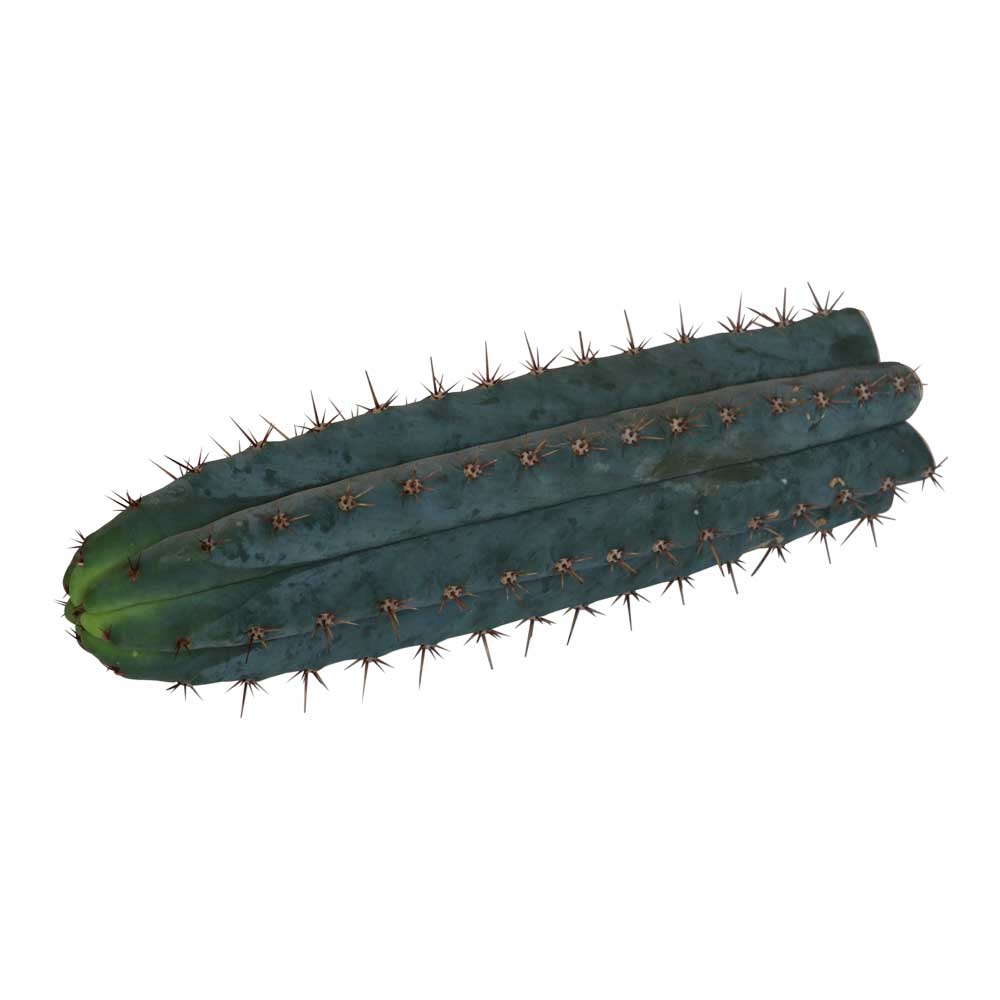
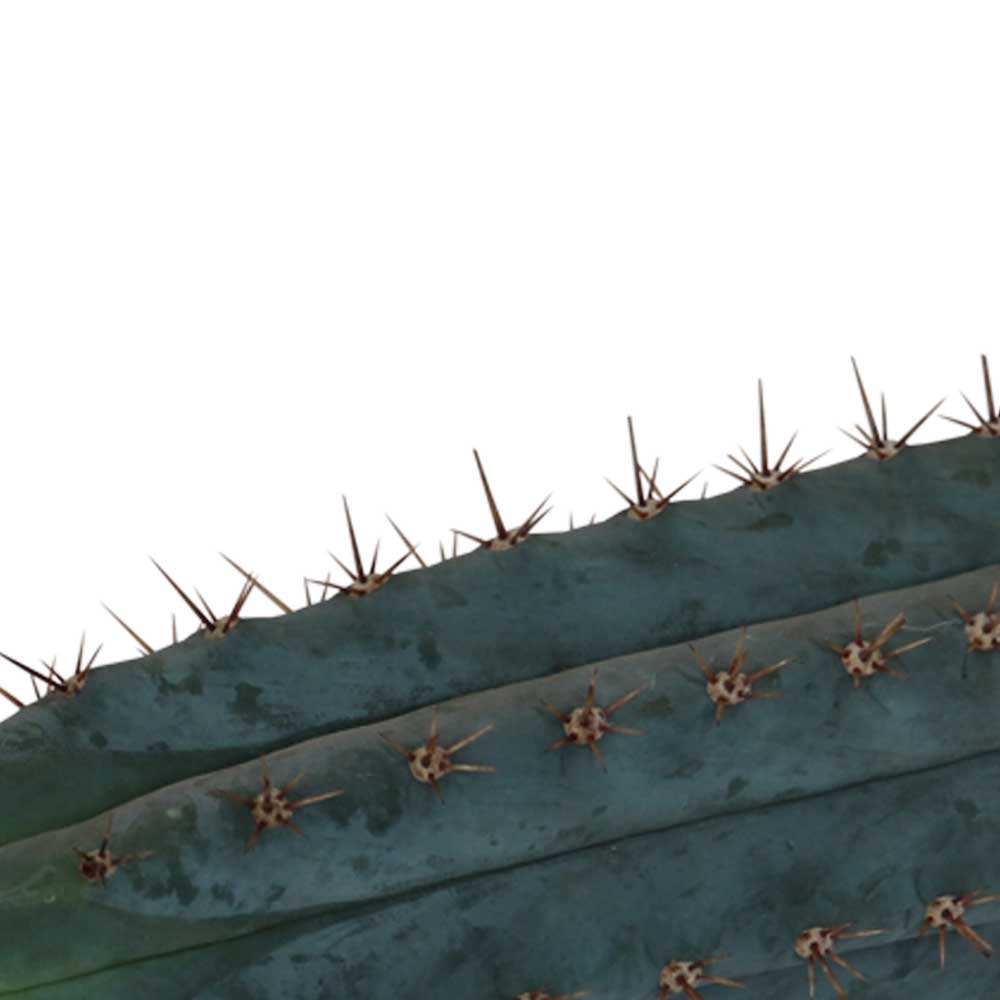
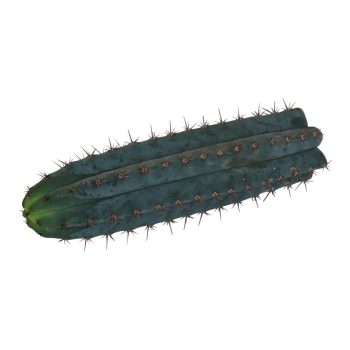
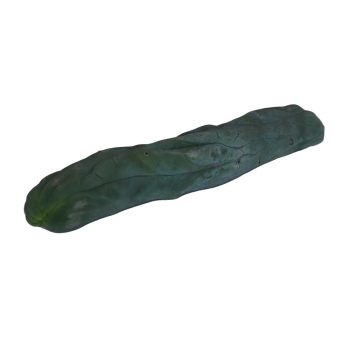
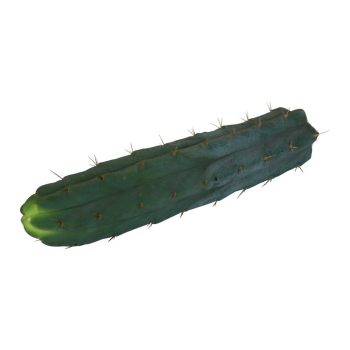
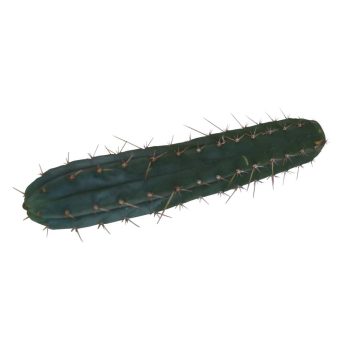
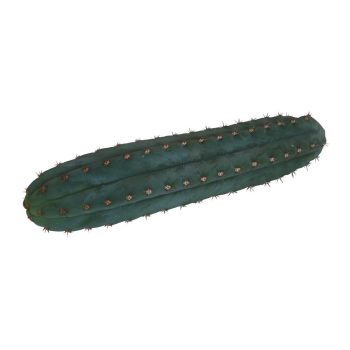
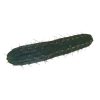
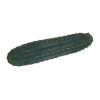
De Cutting Peruvianus, also known as Echinopsis peruviana or the Peruvian Torch, is a fast-growing, columnar cactus native to the highlands of Peru. The cactus has a blue-green skin and pronounced ribs, and is highly regarded for its high mescaline content—a naturally occurring psychedelic substance. In cutting form, the cactus can be propagated or ceremonially prepared. The plant is known for promoting inner insight, emotional healing, and a deep connection with nature and the universe. As a respected plant teacher, it guides users toward clarity, balance, and expanded consciousness, especially within shamanic or spiritual contexts.
History of Cutting Peruvianus
The Cutting Peruvianus holds an important place within the spiritual and cultural heritage of Peru, with a history of use in Andean ceremonies dating back thousands of years. Indigenous communities consider the cactus a sacred bridge between the physical and spiritual worlds. Archaeological findings, such as temple carvings, confirm its ritualistic significance, often used by shamans during spiritual rituals. Compared to the more well-known San Pedro cactus, the Cutting Peruvianus is known for its faster action and more intense visual effects. Traditionally, it is used to remove energetic blockages and activate inner wisdom. Today, it is still valued within modern plant medicine circles, where ancient traditions merge with contemporary spiritual quests.
How to Use Cutting Peruvianus?
The most common way to use cuttings of Peruvianus is in the form of a ceremonial tea. Preparation begins with the removal of the spines and the dark outer peel, after which the inner pulp is cut into pieces and boiled for hours into a thick, bitter drink. This tea is slowly consumed in a calm, intentional environment—preferably accompanied by a sober, trusted sitter. When taken on an empty stomach, effects begin within 1–2 hours, peak between 4–6 hours, and can last up to 12–15 hours. Users often report emotional breakthroughs, vivid visions, and an overwhelming sense of unity and love. For a safe and meaningful experience, fasting beforehand is recommended to reduce nausea. Post-experience integration, such as journaling, helps to process insights.
Ingredients and Active Substances
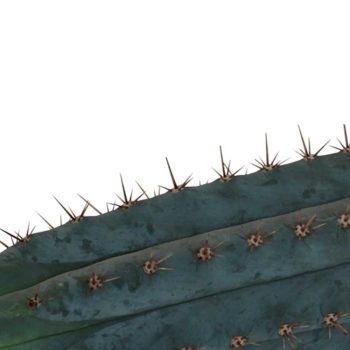
The main psychoactive component of the Cutting Peruvianus is mescaline, an alkaloid that acts on serotonin receptors, thereby altering perception, mood, and thought, which supports profound spiritual experiences. Other alkaloids such as anhalonidine and hordenine may contribute to its unique energetic properties. Physically, the cactus consists of fibrous, water-rich tissue, a thick outer skin, and protective spines. Its blue-green, ribbed appearance is characteristic of columnar cacti. Potency varies depending on age and growth conditions, but it is considered one of the most potent species within its genus. When prepared and consumed with respect, it forms a powerful spiritual ally, uniting natural biochemistry with ancient plant wisdom.
Important Warnings
Do not use Cutting Peruvianus If you are pregnant, breastfeeding, under 18 years of age, or have a history of heart problems, high or low blood pressure, or psychiatric conditions. Avoid combining with alcohol, medication, or other psychoactive substances. The cactus should only be used in a safe, calm environment, with the guidance of a trusted, sober sitter. Do not operate vehicles or take risks during the experience. Approach the cactus with reverence—as sacred medicine, not a recreational substance.